

How Does a Chiropractic Adjustment Work?
What happens during an adjustment? How can chiropractic care relief pain? Does it hurt – and is it safe? Get answers to all of your top questions on chiropractic care.

Slouching slumping, hunching, sagging, drooping, stooping — however you want to describe poor posture — can lead to Dowager’s Hump, commonly called hunchback
Your spine is quite a feat of engineering. It provides strength, support and flexibility to your upper body, which is why it’s so sensitive to pain and injury — and why decades of research show it responds exceptionally well to gentle, non-invasive chiropractic care.
Chiropractic for pregnancy has been clinically proven to manage pain and misalignment during those transformative nine months. Some discomfort is inevitable, but it can be managed and minimized.

Chiropractic care is more than just feeling better after an adjustment. These 11 surprising chiropractic facts explain how spinal health, education, and evidence-based care support back pain relief and long-term movement.

A bulging disc can cause back pain, nerve irritation, and radiating symptoms. Learn how natural at-home strategies and chiropractic care may help reduce inflammation, restore function, and support recovery.

Ever wonder what actually happens during a chiropractic adjustment? From improved spinal motion to why relief can happen quickly, here’s how adjustments support back pain relief and better movement.

Diet cannot significantly change blood pH in healthy individuals—but food choices may influence inflammation, bone health, and metabolic function. Learn what science says about pH-lowering foods and balanced nutrition.

Forward head carriage, often called tech neck, places significant stress on the cervical spine. Learn what causes it, symptoms to watch for, and how chiropractic care can help restore posture.
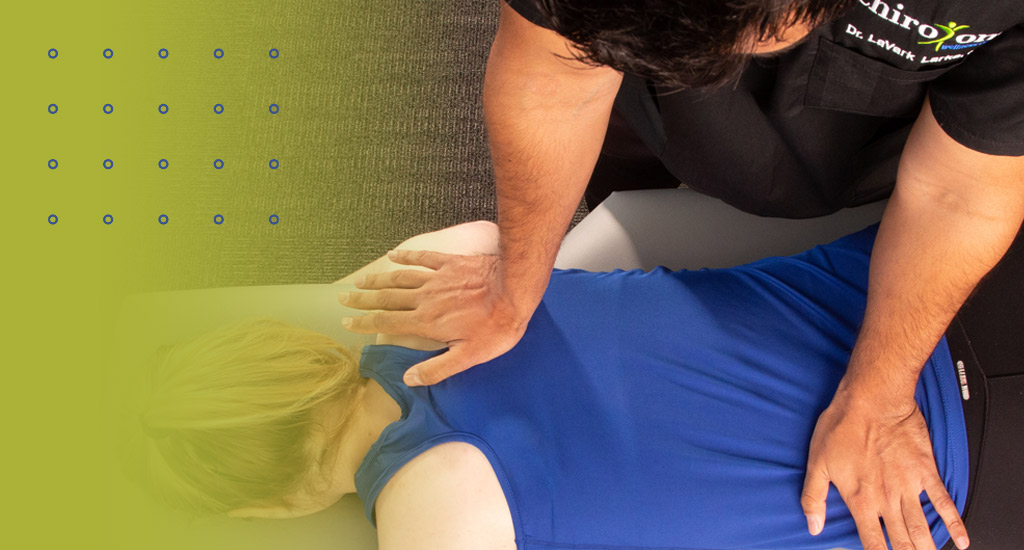
Can a chiropractor help lower back pain? Learn the causes, treatments, and how personalized chiropractic care can help you feel better.