
Stiff Elbow Joint? Here’s What Could Be Causing It
You don’t have to play sports to have a sports (or sport-named) injury. Discover the top causes and risk factors for Tennis Elbow and how chiropractic care can help.

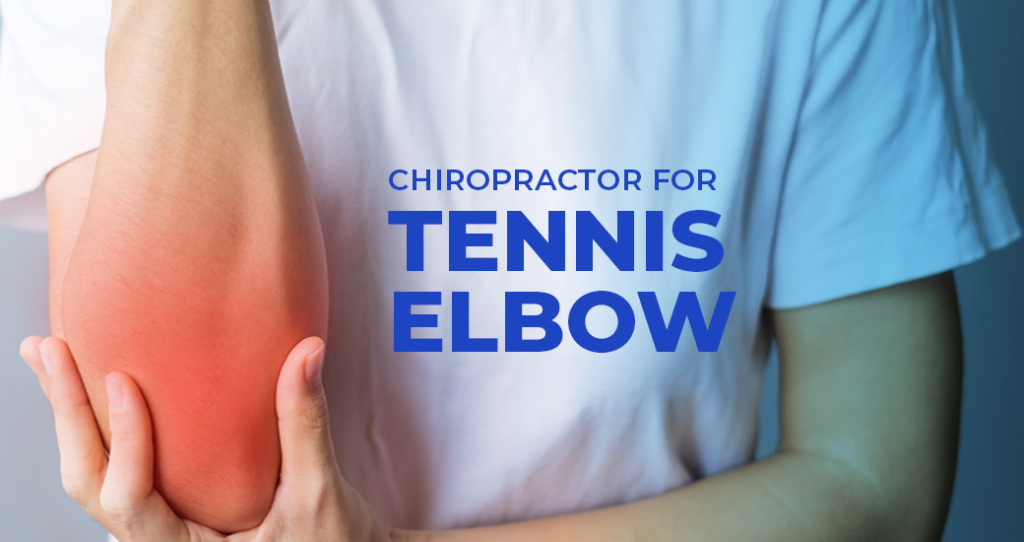
Yes, a chiropractor can effectively treat tennis elbow by utilizing targeted joint adjustments and active therapies to restore proper alignment and reduce nerve irritation in the elbow, wrist, and cervical spine. This conservative, drug-free approach addresses the root cause of the repetitive strain to decrease local inflammation and promote long-term tissue healing. 1
If you’re experiencing pain along the outside of your elbow and forearm—sometimes radiating into your wrist, shoulder, or neck—you may be dealing with tennis elbow, a common form of tendonitis (although calling it tennis elbow does make us feel more athletic.) Despite its name (and our attachment to it), tennis elbow affects far more people who don’t play tennis than those who do.
Tennis elbow contributes to tens of thousands of missed workdays each year and can significantly limit daily activities like lifting, gripping, or twisting. Understanding what causes tennis elbow—and how chiropractic care can help—can make a meaningful difference in recovery.
Tennis elbow, clinically known as lateral epicondylitis, develops from repetitive strain rather than a single [accident or injury]. Repeated gripping, lifting, or wrist extension can overload the tendons that attach to the outer elbow, leading to microscopic tendon damage and inflammation.

Adults between 30 and 50 are most commonly affected, especially when repetitive work or weightlifting is involved.
The elbow joint is formed by three bones: the humerus (upper arm), radius, and ulna (forearm). The bony prominence on the outside of the elbow is called the lateral epicondyle.
Several forearm muscles attach here, including the ECRB. This muscle helps stabilize the wrist while gripping and lifting. Overuse or biomechanical stress can weaken the ECRB tendon, causing tiny tears where it attaches to the bone—leading to inflammation and pain.

Because the ECRB rubs against nearby bony structures as the elbow bends and straightens, wear and tear can build gradually over time.
Tennis elbow symptoms often develop slowly and may worsen over weeks or months. Without care, [joint pain] can persist for weeks—or even years. Common symptoms include:
In more severe cases, swelling may cause the affected elbow to appear visibly larger than the other.
For early or mild symptoms, short-term relief may include:
If symptoms don’t improve within a few days, it’s important to seek professional evaluation to prevent worsening pain or long-term dysfunction.
Chiropractic care offers a conservative, drug-free approach to tennis elbow. During your evaluation, your doctor will assess your elbow, wrist, shoulder, and spinal motion; test your muscle strength and flexibility; and analyze your postural and movement patterns. This helps confirm that symptoms are due to tennis elbow and not another condition.
Care plans are individualized based on severity, activity level, and movement patterns. Treatment typically includes:
Chiropractic adjustments gentle, targeted adjustments may be applied to the elbow, wrist, shoulder, or spine to restore joint alignment, reduce nerve irritation, and improve mobility. Proper alignment allows irritated tissues to heal more effectively and reduces strain on overworked muscles and tendons. Research has shown strong connections between elbow pain and cervical spine dysfunction, highlighting the importance of addressing the entire kinetic chain. 2
“As a Certified Chiropractic Sports Physician, I’ve seen how repetitive strain breaks down the body over time. Healing isn’t just about treating the elbow; it’s about addressing the biomechanics of the entire kinetic chain—from the cervical spine down to the wrist—so the body can truly self-heal.” — Dr. Thomas MacNeill-Zimmerman, D.C.
Active therapies complement adjustments by strengthening muscles, improving flexibility, and supporting long-term recovery.3 Your chiropractor or chiropractic technician will guide you through specific movements and stretches designed to reduce inflammation and prevent recurrence.
Once healing begins, prevention becomes key. Strategies include:
Pushing through pain can delay healing. Understanding the difference between healthy muscle soreness and tendon injury is critical for long-term recovery.
(Important note from our docs: Avoid performing these exercises immediately after ice or heat therapy.)


Yes, wearing a counterforce brace or elbow strap can be highly effective during the healing process. The brace acts as a secondary muscle attachment point, absorbing the force generated by gripping and lifting. This reduces the mechanical strain on your injured ECRB tendon so it can rest and recover.
Healing timelines vary depending on the severity of the tendon damage and how long you’ve had the condition. With a combination of chiropractic adjustments, active therapies, and rest, many patients begin noticing reduced pain and improved grip strength within a few weeks, though full tissue recovery can take several months.
In the acute phase (the first few days of sharp pain or a flare-up), ice is generally better for reducing inflammation and numbing the pain. Once the initial swelling has subsided, heat can be applied before stretching or physical activity to increase blood flow and relax tight forearm muscles.

Subscribe and get news, articles & offers sent right to your inbox each month.
"*" indicates required fields
By subscribing you are agreeing to the Terms and Conditions and Privacy Policy.
You don’t have to play sports to have a sports (or sport-named) injury. Discover the top causes and risk factors for Tennis Elbow and how chiropractic care can help.

Chiropractic care can be very effective at treating sports injuries, either as the primary treatment modality (think: sprains, strains, disc injuries, misalignment) or as a complement to orthopedic care. Here’s what to expect from chiropractic treatment for sports injuries and recovery.

Tech neck and shoulder tension are common with screen use. Learn how chiropractic care at Chiro One may help relieve stiffness and improve posture.