
How Does a Chiropractic Adjustment Work?
What happens during an adjustment? How can chiropractic care relief pain? Does it hurt – and is it safe? Get answers to all of your top questions on chiropractic care.

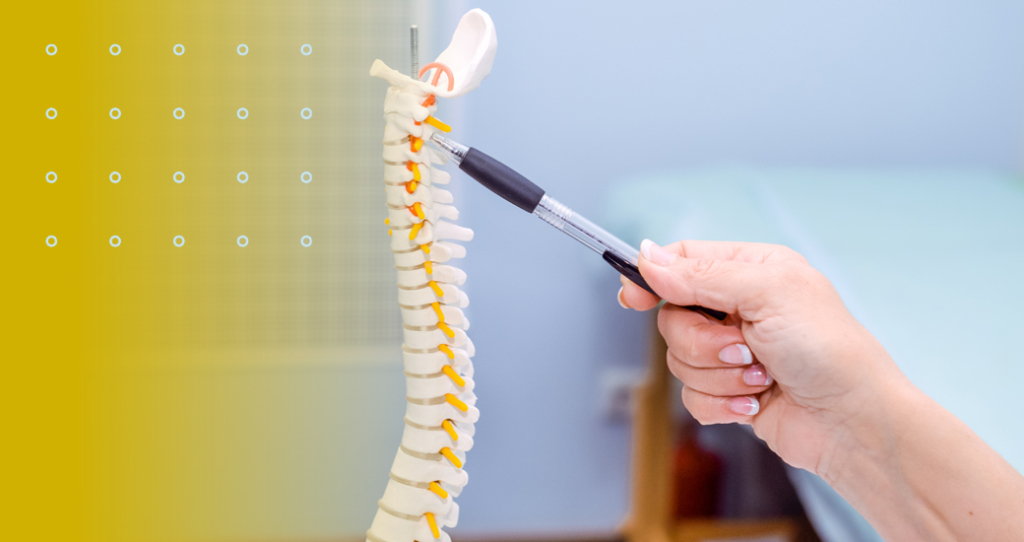
Back pain is one of the most common reasons people seek healthcare, but its causes can be complex. Muscles, joints, activity levels, injuries, age-related changes, sleep, stress, and other factors can all influence how your back feels and functions.
Understanding how the spine moves—and how restricted or painful movement can affect everyday activities—can help explain why movement-based approaches, including exercise and spinal manipulation, may be used as part of back pain care.
Your spine is made up of interconnected joints, discs, muscles, ligaments, and nerves that work together as you bend, twist, walk, and perform everyday activities. When back pain develops, movement may become stiff, limited, or uncomfortable.
Treatment for back pain often focuses on helping people maintain or improve movement and function. Depending on the individual and the cause of their symptoms, this may include exercise, education, self-care strategies, and hands-on therapies such as spinal manipulation. 1
Your spine is a complex structure made up of vertebrae, joints, discs, muscles, ligaments, and nerves. Together, these structures provide stability while allowing your back to bend, rotate, and absorb forces as you move.
When back pain occurs, movement can become limited or uncomfortable. People may also change the way they move in response to pain, stiffness, or fear of aggravating their symptoms.
Chiropractic adjustments, also known as spinal manipulation, use controlled force applied to spinal joints and may be used as one component of care for some types of back pain.1
“Back pain is rarely about one structure or one movement. We look at how a patient moves, where they feel restricted or uncomfortable, and how their symptoms affect everyday life. That helps us develop a care plan based on the individual rather than treating back pain as a one-size-fits-all problem.”
— Dr. Nikita Neeley, DC, Chiro One of Geist, IN
Your spine manages forces every time you sit, stand, walk, lift, bend, or exercise. Muscles and joints throughout the body work together to make those movements possible.
When your back hurts, you may naturally move differently or avoid certain movements altogether. Over time, reduced activity can contribute to stiffness, weakness, or decreased confidence in movement.
Posture can influence comfort, particularly when you stay in the same position for long periods. Rather than trying to maintain one “perfect” posture, changing positions regularly and staying active can help reduce prolonged strain and stiffness.
Beyond structural support, your spine plays a major role in how your body communicates. The spinal column protects the spinal cord — the main pathway that carries messages between your brain and body.
When spinal motion is limited, surrounding joints and tissues can become irritated, contributing to pain, stiffness, and changes in how you move. In some cases, irritation or compression of spinal nerves can also cause symptoms such as pain, numbness, tingling, or weakness.
By improving joint motion and supporting spinal alignment, chiropractic adjustments can help patients move more comfortably and function more effectively. Healthy spinal movement is an important part of overall mobility, coordination, and comfort.
Learn more about common causes of back pain and available treatment options.

A chiropractic adjustment, or spinal manipulation, involves applying a controlled force to a spinal joint. Research suggests spinal manipulation can provide improvements in pain and function for some people with chronic low back pain, with outcomes generally similar to other recommended therapies. 2
Spinal manipulation is typically most appropriate as one part of a broader approach to back pain rather than a stand-alone solution. Depending on your needs, care may also include exercise, education, activity recommendations, and strategies you can use at home.
At Chiro One Wellness Centers, our chiropractors customize each care plan to meet your individual needs. Your first visit includes a full consultation and exam to identify the areas that may be contributing to your discomfort. From there, we develop a care plan focused on mobility, comfort, and long-term results.
Looking for a drug-free approach to back pain? See how chiropractic can help you on our blog.
Back pain usually can’t be attributed to a single issue with spinal “alignment.” Pain can be influenced by muscles, joints, discs, nerves, activity levels, injuries, health conditions, and other physical and lifestyle factors. An evaluation can help determine what may be contributing to your symptoms.
A chiropractic adjustment, also called spinal manipulation, applies a controlled force to a spinal joint. It is used to influence joint movement and may help improve pain and function for some people with back pain.
Spinal manipulation may help some people with chronic low back pain and is included among the non-surgical treatment options in clinical guidelines. It is often used as part of a broader care plan that may also include exercise, education, and self-care strategies.
Despite the common phrase “spinal alignment,” chiropractic adjustments aren’t best understood as putting misplaced vertebrae back into position. Spinal manipulation applies controlled force to a joint and may influence movement, pain, and function.
Back pain has many possible causes, and symptoms alone don’t always identify the source. A healthcare provider can review your health history and symptoms and perform an examination to determine whether additional testing or treatment may be appropriate.
With more than 100 locations nationwide, Chiro One Wellness Centers makes it convenient to access high-quality chiropractic care close to home. Our clinics combine modern assessment tools with evidence-based techniques to support your back health and overall well-being.
Every care plan includes education, posture coaching, and simple at-home exercises to help maintain results between visits — because great care extends beyond the adjustment table.
If you’re ready to understand your back pain, not just mask it, chiropractic care can help you move forward with confidence.
Schedule your back pain consultation today!

Subscribe and get news, articles & offers sent right to your inbox each month.
"*" indicates required fields
By subscribing you are agreeing to the Terms and Conditions and Privacy Policy.
What happens during an adjustment? How can chiropractic care relief pain? Does it hurt – and is it safe? Get answers to all of your top questions on chiropractic care.

Ergonomics reduces stress on muscles and joints. Learn how posture tips for home offices and gaming chairs support spinal health and wellness.

Chiropractic care isn’t just for pain relief. Learn how regular visits can help you stay active and mobile.