
Why Spinal Alignment Matters: How a Healthy Spine Supports Your Whole Body
Learn how good spinal alignment supports posture, nervous system health, and overall wellness for a pain-free, active life.

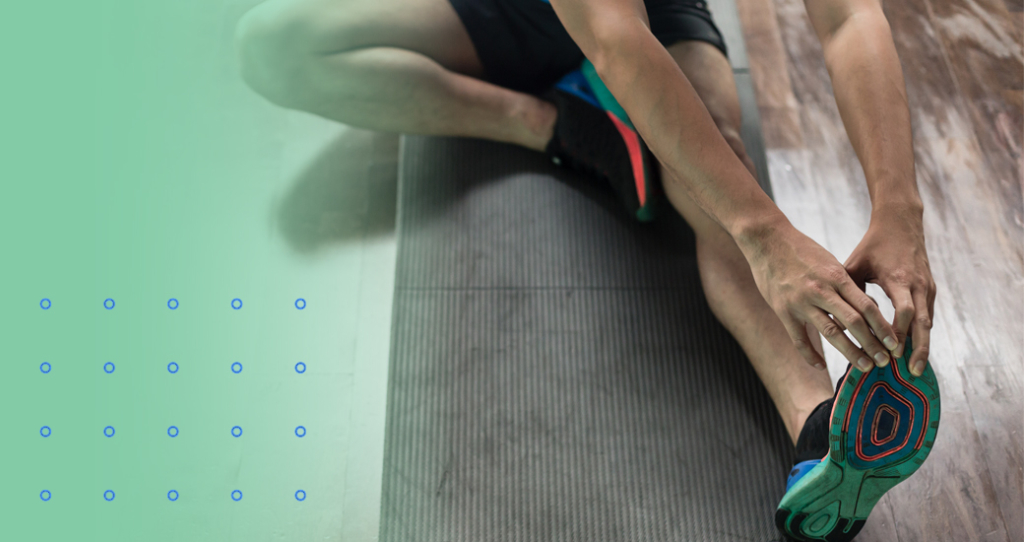
Lower extremity pain—whether in your hips, knees, legs, or feet—can make even simple everyday movements difficult. The good news? Gentle, targeted movement is one of the most effective ways to manage discomfort. Evidence consistently shows that stretching, mobility work, and strengthening exercises can help reduce pain, improve flexibility, and support long-term joint health.
Below is an easy, evidence-informed guide to lower extremity pain exercises, stretches for leg pain, and at-home mobility routines suitable for most adults.
Research supports purposeful movement as a first-line strategy for managing lower body pain:
| Pain Location | Helpful Movements | Why They Help |
| Hip Pain | Hip flexor stretch, glute bridges | Reduce tension in hip flexors; strengthen glutes for stability |
| Knee Pain | Quad stretch, hamstring stretch, wall sits | Improve balance around the knee joint; support patellar tracking |
| Leg Pain | Calf stretches, nerve-glide movements | Ease muscle tightness; support nerve mobility |
| Foot Pain | Toe curls, arch strengthening, calf stretch | Improve foot mechanics; reduce plantar fascia strain |
| General Lower Extremity Pain | Gentle mobility routine | Keeps joints moving with less stiffness |

1. Standing Calf Stretch
Great for: leg pain, foot pain, Achilles tightness
How:

2. Seated Hamstring Stretch
Great for: sciatic-type tightness, knee discomfort, lower leg tension
How:

3. Hip Flexor Stretch
Great for: hip pain, stiffness from sitting
How:
These moves build strength—one of the most important ways to reduce pain and prevent future flare-ups.

1. Glute Bridges
Targets: hips, glutes, lower back
Steps:
Why it helps: Strong glutes stabilize the hips and knees.

2. Wall Sits
Targets: quads, hips, knees
Steps:
Why it helps: Builds knee and hip stability without impact.

3. Toe Curls & Arch Strengthening
Targets: foot muscles, plantar fascia
Steps:
Why it helps: Supports arch mechanics and reduces foot strain.

4. Ankle Mobility Circles
Targets: ankle stiffness, leg cramping
Steps:
Why it helps: Improves blood flow and joint mobility.
Use this 5-minute routine morning or evening for recovery and less stiffness.
This routine is excellent for self-care, evening stretching for recovery, and improving flexibility in the long term.
If you’re wondering, “What are the best exercises for leg pain?” or “How can I relieve lower body pain without equipment?”—these tips help:
These at-home exercises for lower extremity pain require no special tools—just consistency.
Lower extremity pain is incredibly common—but the right combination of leg stretches for pain relief, foot pain exercises, and gentle strengthening can make a major difference. With just a few minutes a day, you can improve mobility, reduce tension, and support healthier movement patterns in the long term.

Subscribe and get news, articles & offers sent right to your inbox each month.
"*" indicates required fields
By subscribing you are agreeing to the Terms and Conditions and Privacy Policy.
Learn how good spinal alignment supports posture, nervous system health, and overall wellness for a pain-free, active life.

Whether it’s in your truck, at your desk, or at your workbench, some of us have jobs that make sitting all day a requirement (we […]

Can’t get a break from your desk? Want a simple routine you can do anywhere? Try these simple exercises to do while sitting to help you relieve pain and improve strength and mobility.