
Can a Chiropractor Help With Scoliosis? Understanding Your Non-Surgical Options
Chiropractic care can’t cure scoliosis—but it can help manage pain, improve posture, and support spinal function without surgery.

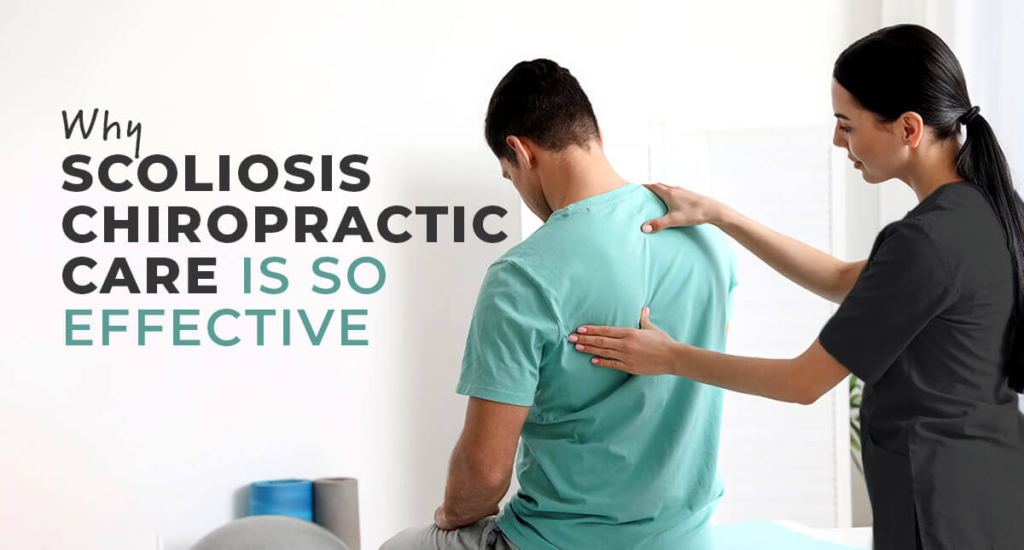
You may think of scoliosis as a childhood condition because its onset is usually diagnosed between the ages of 10-15. But this irregular curvature of the spine also places strain on muscles, nerves, and soft tissues in 7 million adults — and it can arise seemingly out of nowhere as you age.
If allowed to become severe, scoliosis can put pressure on your heart, diminish your lung capacity, and limit your physical activity. Thankfully, these profound quality of life disruptions can be prevented through early detection and non-invasive management — which is why scoliosis chiropractic care is so effective.
The National Library of Medicine published a clinical review demonstrating how chiropractic treatment led to improvements in pain, x-ray spine curvature and disability for dozens of patients. The first step to preventing severe scoliosis is recognizing its early symptoms. Here is a look at what scoliosis chiropractic care involves.
If your spine is healthy, your vertebrae are stacked neatly on top of each other, with cushioning and flexibility-promoting cartilage discs between each one. The “shock absorbers” of the spine help you move fluidly through your day.
With scoliosis, rather than resembling a neat stack of blocks, each vertebra “tilts” to one side, potentially causing these symptoms:
If your Doctor of Chiropractic observes these symptoms — whether they’re already causing you pain or not — they will perform a more detailed examination and request an x-ray session.
You may have heard scoliosis described as a sideways curve of the spine. That’s a bit of an oversimplification. Which is why scoliosis chiropractic diagnostics are complex and extremely thorough. Knowing a bit about the biomechanics of your spine will help you understand how critical it is for you to complete your full care plan.
Your spine should have three curves:
When your spine’s curves are forced into opposite directions, it causes stress and ligament damage which typically results in hyper-mobility.
This hypermobility makes your joints unstable and puts them at a higher risk of injury and dislocation. They need to be treated very gently.
Before beginning any form of gentle treatment your Doctor of Chiropractic will determine which type of scoliosis you have:
Once they’ve detected the root cause of your scoliosis, Doctors of Chiropractic will craft a medication-free non-invasive care plan made up of chiropractic adjustments and active therapies to reduce pressure, improve posture, and relieve (or prevent) your pain.
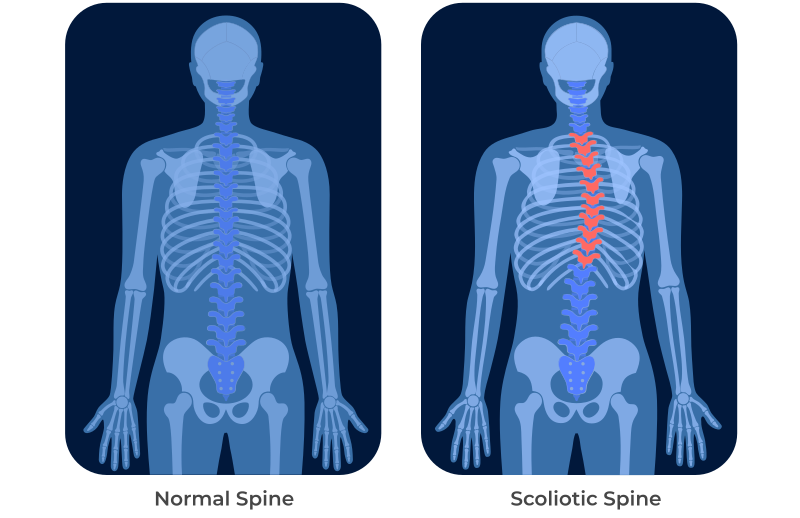
To restore your spinal alignment, improve posture while decreasing pain and muscle strain, and improving blood flow, your DC will gently respond to your body’s signals with:
While you’re seated or lying down, chiropractors will use their hands or an adjusting instrument to deliver precise but gentle force into the points in your neck that were observed during your exam to coax it into its natural position. Adjustments may also be performed on the back and hips, depending on the three-dimensional measurements of the spine determined from x-rays.
By placing your spine in the exact opposite position of your misalignment (the mirror image) and introducing a stimulus to “reset” your alignment your DC gently begins to retrain your spinal muscles.
For example, if your back is misaligned to the left, they will position it to the right before delivering your adjustment. They may use an adjusting instrument to “tap” in key areas of your spine — upper neck, back or hips — that were observed on your x-ray. This “tapping” sensation stimulates posture control centers in your brain to “reset” your spine back to normal alignment. This “reset” can also be accomplished on a chiropractic drop table with sections that are lowered during your adjustment.
Seated or walking traction therapy (depending on your exact misalignment and severity) may be prescribed to gently stretch your spine and surrounding ligaments for short periods at each clinic appointment to correct spinal structure. Like braces hold teeth in a corrected position, traction therapy creates a force on the back part of the neck and one pulling the head back to help stretch out muscles and reshape ligaments. Gradually, these therapies send a signal up to your brain directing it to re-position your neck joints.
The back brace acts as a weight unloader for the spine. Force is applied to your back by the thoracic and trochanter pads on one side and by the belt, with or without the lateral pad, on the other side. The applied forces work together to promote better alignment and reduce body lean. Bracing for scoliosis is an easy, effective way to reduce pain and improve quality of life.
Managing scoliosis also requires maintaining a healthy lifestyle and doing regular exercises. Try these for just 10 minutes a day, then longer as they become easier:
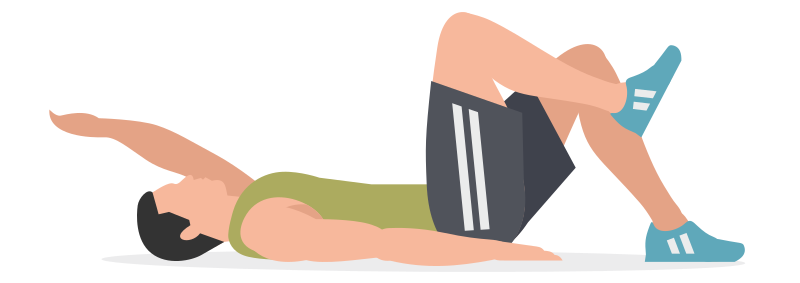
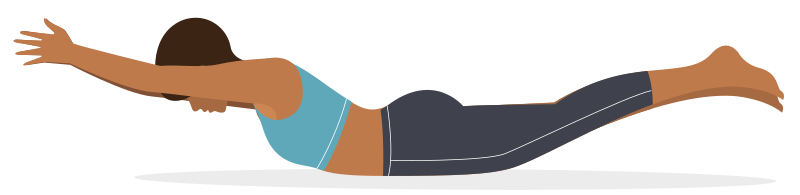
To keep the spine flexible and pain-free
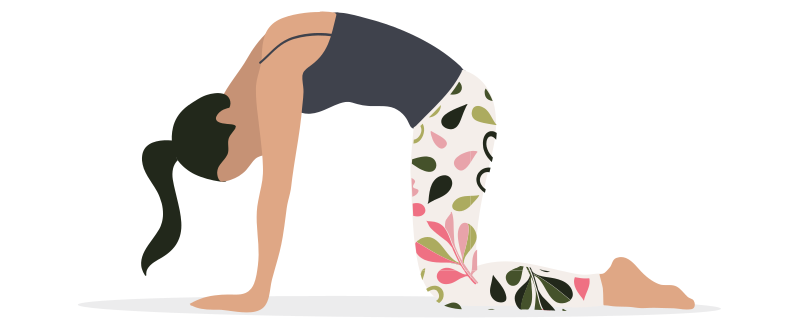
By taking 10 minutes morning and evening to do these exercises you’ll help maintain the effects of your adjustments and traction therapies. And that means being closer to realigning your spine curvature sooner.
Wondering where to find a Doctor of Chiropractic who has years of experience treating and managing all severities of scoliosis?
Check in with your nearest Chiro One doc at one of our welcoming open-plan clinics across the country. They’ll perform a thorough exam to investigate the root cause of your pain, then personalize your care plan — a combination of gentle chiropractic adjustments and active therapies to get you feeling better longer. Find a Chiro One doctor near you.

Subscribe and get news, articles & offers sent right to your inbox each month.
"*" indicates required fields
By subscribing you are agreeing to the Terms and Conditions and Privacy Policy.
Chiropractic care can’t cure scoliosis—but it can help manage pain, improve posture, and support spinal function without surgery.

Do you know the signs and symptoms of scoliosis in children? Since many kids who have scoliosis wont experience back pain, its important to know the physical signs. Our chiropractors explain what to look for in this post.

Before jumping to more serious conclusions, screen yourself for these 7 surprising causes of back pain that may be less obvious, but just as significant for understanding and managing your pain.