
Natural Stress Relief: How Stress Impacts Your Body and How Chiropractic Helps
Stress shows up in your body. Learn how chiropractic wellness relieves tension, improves posture, and supports natural stress relief.

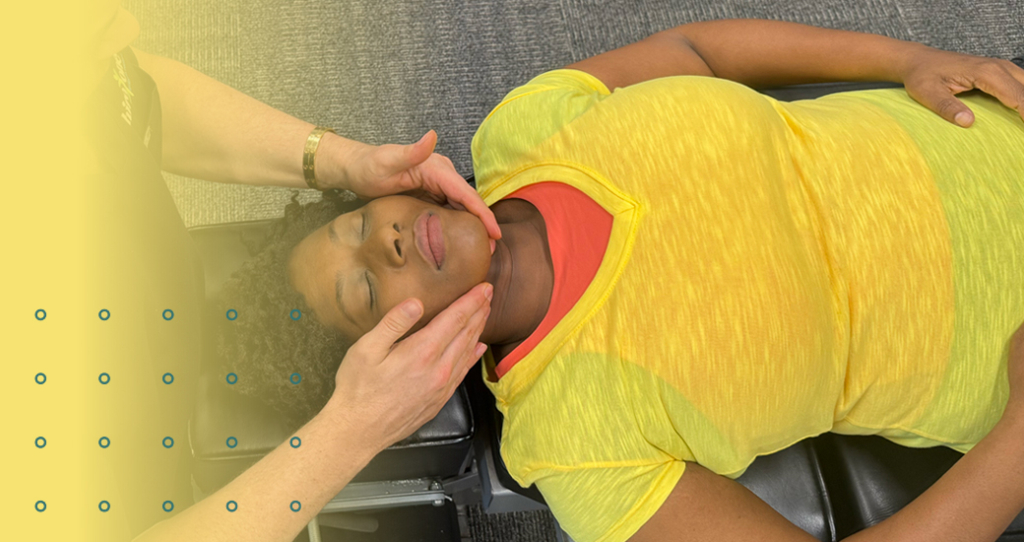
Feeling stressed (and who isn’t?) While most people associate chiropractic care exclusively with pain relief,chiropractic care may also help address some of the physical effects that often accompany stress, including muscle tension, restricted movement, headaches, and posture-related discomfort.
Feeling stressed (and who isn’t?) While most people associate chiropractic care exclusively with pain relief, people across the world are discovering that chiropractic care isn’t just for pain—it can be a powerful tool for managing stress, too. It’s also a powerful tool for pain prevention.
Many of us turn to preventative and holistic approaches like massage or yoga to help us mitigate the effects of stress on our bodies. Chiropractic adjustments can work in tandem with those methods as part of a broader wellness strategy focused on movement, musculoskeletal health, and the way the body responds physically to stress.
Think about the way you hold yourself when you’re stressed: tight jaw, shoulders up around your ears. We also hunch, and sometimes we even forget to breathe. Over time, this can lead to chronic tension patterns in the body, including neck and back discomfort, restricted mobility, and changes in posture.Chiropractic care can correct these imbalances. If applied proactively or preventatively, it can also help prevent tension from taking over and stop all this pain before it begins.
So, where does chiropractic care fit? By addressing joint mobility, muscle tension, posture, and other musculoskeletal issues, chiropractic care may help reduce some of the physical strain that builds up during stressful periods.
“When we’re stressed, we often feel it physically—tight shoulders, a stiff neck, jaw tension, headaches, or changes in how we move and hold our bodies. Chiropractic care can help address some of that physical tension and discomfort as part of a broader approach to managing stress and feeling your best.” — Dr. Benjamin Hopsicker, Chiro One of Ashland, VA
Here’s how spinal health and musculoskeletal caresupports your body’s ability to unwind.
Some research has explored whether spinal manipulation may affect cortisol, one of the hormones involved in the body’s stress response. However, the evidence is limited, and chiropractic care should not be described as a proven method for lowering cortisol.
Yes, chiropractic care may help some people manage the musculoskeletal effects of stress, particularly when stress contributes to tight muscles, restricted movement, or neck and back discomfort.
|
Benefit |
Impact on Stress |
|
Improved Heart Rate Variability (HRV)Improved Heart Rate Variability (HRV) 1 |
Greater adaptability to stress |
|
Promotes rest, repair, calmness |
|
|
Better sleep quality (read our full post here) |
Stress recovery + immune support |
The autonomic nervous system helps regulate involuntary functions such as heart rate, digestion, breathing, and the body’s “fight-or-flight” and “rest-and-digest” responses. Researchers have investigated whether spinal manipulation can temporarily influence measures associated with autonomic activity.
These findings are promising areas for continued study, but they do not mean chiropractic care directly “resets” the nervous system or serves as a treatment for chronic psychological stress.
Chiropractic care is not a treatment for anxiety, depression, or other mental health conditions. However, addressing physical discomfort, mobility limitations, and persistent muscle tension may support overall well-being as part of a broader stress-management plan.
Chiropractic care may be useful when stress is showing up physically—in the form of tight shoulders, neck discomfort, headaches related to muscle tension, restricted movement, or back pain.
The goal isn’t to position chiropractic care as the only answer to stress. Instead, it can be one part of a multifaceted wellness strategy that also includes movement, adequate sleep, nutritious food, social connection, relaxation techniques, and mental health care when needed.
Take care loser look at the role of chiropractic care and stress management, including Chiro One’s approach, here. And of course, bear in mind that chiropractic care should be part of a multi-faceted wellness strategy – not the only tool for stress management. Other changes, like good nutrition and exercise, can be very beneficial for managing stress.

Chiropractic care may help address some of the physical effects that can accompany stress, including muscle tension, restricted movement, postural strain, and certain types of musculoskeletal discomfort. It is best considered one part of a broader stress-management strategy.
Some small studies and case reports have observed changes in cortisol following spinal manipulation, but the evidence is limited. More rigorous research is needed before chiropractic care can be said to reliably lower cortisol.
Stress can cause muscles around the jaw, neck, shoulders, and upper back to tighten. Repeated muscle tension, prolonged sitting, and changes in posture can contribute to stiffness, soreness, and restricted movement.
Chiropractic care may help some people whose headaches are associated with neck tension or musculoskeletal dysfunction. Because headaches have many possible causes, the appropriate approach depends on the type of headache and the individual patient.
Chiropractic care is not a replacement for appropriate mental health treatment. It may help address physical symptoms such as muscle tension, pain, or restricted movement that can occur alongside periods of stress.
Feeling overwhelmed by stress? Here’s how Chiro One can help:
Ready to experience stress relief without medication? Schedule an appointment with Chiro One today and take the first step toward a calmer, healthier you.
Learn what to expect at your first appointment with Chiro One, and how to prepare.

Subscribe and get news, articles & offers sent right to your inbox each month.
"*" indicates required fields
By subscribing you are agreeing to the Terms and Conditions and Privacy Policy.
Stress shows up in your body. Learn how chiropractic wellness relieves tension, improves posture, and supports natural stress relief.

Learn how good spinal alignment supports posture, nervous system health, and overall wellness for a pain-free, active life.

Learn why back pain is so common and how chiropractic care helps relieve lower back pain naturally and effectively.