While a bulging disc cannot be “healed” overnight, many people can successfully reduce pain and improve function naturally at home without drugs or surgery by using targeted rehabilitative therapies, posture correction, heat/ice therapy, and guided movement.
Have you been diagnosed with a bulging disc and not sure what comes next? Wondering when the pain will stop—or if it will stop? Or whether a bulging disc can heal naturally at home without intervention?
While alternatives for healing a bulging disc include prescribed rehabilitative therapies, posture correction, heat/ice therapy, and chiropractic care, the most effective approach begins with a comprehensive evaluation, accurate diagnosis, and a personalized treatment plan.
At Chiro One Wellness Centers, our Doctors of Chiropractic (DCs) regularly evaluate and treat patients with bulging and herniated discs. This guide is for adults experiencing back or neck pain, radiating symptoms, or disc-related discomfort who want to understand safe, conservative care options.
What Is a Bulging Disc?
Your spine is made up of 24 vertebrae separated by shock-absorbing cushions called intervertebral discs.
Each disc has:
A tough outer layer (annulus)
A soft, gel-like center (nucleus)
A bulging disc occurs when the outer layer extends outward evenly beyond its normal boundary. A herniated disc happens when part of the inner material pushes through a tear in the outer layer.
Bulging discs may not always cause symptoms. Pain typically occurs when nearby nerves become irritated or compressed.
For condition-specific resources, visit our Back Pain Center to learn more about disc-related symptoms and treatment options.
What Are the Symptoms of a Bulging Disc?
Symptoms vary depending on the location of the disc and whether a nerve root is involved. Common signs include:
Increased pain with sitting, bending, or prolonged standing
Note: If you experience progressive weakness, loss of bowel or bladder control, or severe neurological changes, seek immediate medical attention.
Can a Bulging Disc Heal Naturally?
In many cases, yes—symptoms from a bulging disc can improve over time with conservative care. 1
Discs do not “snap back” instantly, but inflammation can decrease, nerve irritation can calm down, and surrounding muscles can stabilize the spine. Healing timelines vary depending on age, activity level, and severity. Professional evaluation is essential to confirm the diagnosis and rule out more serious structural issues.
“Every disc injury is different, which is why personalized care matters. With the right plan, many patients can manage pain, restore function, and avoid more invasive treatments.” — Dr. Cameron Mizeracki, D.C.
Natural At-Home Strategies for Bulging Disc Relief
These approaches can support recovery when used appropriately.
Ice (10–15 minutes): Helps reduce inflammation during acute flare-ups.
Heat (up to 20 minutes): Relaxes tight muscles and improves circulation.
Use a protective barrier between ice and skin. Heat is typically helpful before stretching or gentle movement. Get our full guide on when to use heat and when to use ice for pain here.
2. Improve Posture and Reduce Strain
Disc pressure increases with poor posture. To reduce stress on the spine:
Avoid prolonged sitting without breaks
Support the natural curve of your lower back
Avoid sleeping on your stomach
Be mindful of repetitive bending and twisting
Small ergonomic corrections can significantly decrease daily strain.
3. Engage in Gentle, Guided Movement
Although it may seem tempting to rest when you’re in such pain, it’s best to keep moving. In fact, complete bed rest is rarely recommended. Low-impact activity may help. Chiropractors and physical therapists often recommend:
Walking
Swimming or water therapy
Light core stabilization exercises
Gentle yoga (when appropriate)
Movement improves circulation, supports spinal stability, and may reduce pain perception. While staying active can be beneficial, this isn’t the time to start a new fitness program or to increase your activity. Stretches that help one patient may worsen symptoms in another. Follow the guidelines provided by your chiropractor or healthcare professional.
4. Myofascial Release & Soft Tissue Work
Muscle tension often accompanies disc irritation. Techniques for relieving that tension right at home may include:
Foam rolling (avoid direct pressure on the spine)
Lacrosse ball release for glutes and hips
Gentle trigger point pressure (1–2 minutes)
If your pain increases significantly with the addition of any of these moves, stop and consult your chiropractor or healthcare provider.
5. Over-the-Counter Pain Relief
Nonsteroidal anti-inflammatory medications (NSAIDs) like ibuprofen may temporarily reduce inflammation and lessen pain. While it won’t correct or “heal” the mechanical dysfunction, it can provide relief that will help you incorporate other approaches. Always follow dosage guidelines and consult your provider if you take other medications.
Why Professional Evaluation Matters
Not all back pain is caused by a bulging disc. Symptoms can overlap with joint dysfunction, muscle strain, spinal stenosis, or sacroiliac joint irritation.
At Chiro One Wellness Centers, every patient receives a comprehensive evaluation that includes postural evaluations, functional movement tests, range of motion tests, orthopedic tests, neurological tests, and X-rays (if medically necessary). An accurate diagnosis determines not only your personalized treatment plan, but it will also help your DC determine whether chiropractic care is the best course of treatment.
How Chiropractic Care Supports Disc Recovery
Chiropractic care focuses on restoring motion and reducing nerve irritation. Paired with an accurate diagnosis, and where clinically indicated, spinal adjustments can help you heal a bulging disc by: 3
Improving spinal mobility
Decreasing pressure on irritated nerves (which decreases pain)
Reducing muscle spasms
Supporting proper biomechanics
At Chiro One, our care plans are personalized for your unique needs and goals. Each one includes prescribed active therapies, postural education and support, and durable medical equipment (DMEs) like braces, when appropriate.
When Is Surgery Considered?
Bulging discs often heal naturally, with only minor intervention. But in very severe cases, or instances where there are underlying conditions or other complications, surgery could be indicated. Surgery is generally reserved for progressive neurological deficits, loss of bowel or bladder function, severe, unresponsive pain, or confirmed structural instability.
Chiropractic care is not indicated for every disc condition. In cases involving severe neurological compromise or structural instability, your DC may refer you to another specialist.
Ready to Take the Next Step?
If you suspect you have a bulging or herniated disc, the safest first step is a professional evaluation. Most disc-related pain improves with conservative management. At Chiro One Wellness Centers, we create individualized care plans designed to reduce pain, restore function, and help prevent recurrence.
How long does a bulging disc take to heal without surgery?
While a disc won’t “snap back” instantly, inflammation and pain often subside significantly within a few weeks to a few months of guided conservative care. The timeline varies depending on your age, lifestyle, and the severity of the disc protrusion.
Can stretching make a bulging disc worse?
Yes. If done incorrectly or without a proper diagnosis, certain stretches (like deep forward bending or aggressive twisting) can increase pressure on the disc and compress the irritated nerve further. Always follow a customized stretching plan provided by a healthcare professional.
Should I stay in bed if my bulging disc hurts?
Complete bed rest is rarely recommended for a bulging disc. Staying entirely sedentary can cause your muscles to stiffen and weaken, which often prolongs the pain. Gentle, guided movement like walking is typically encouraged to improve circulation and support the spine.
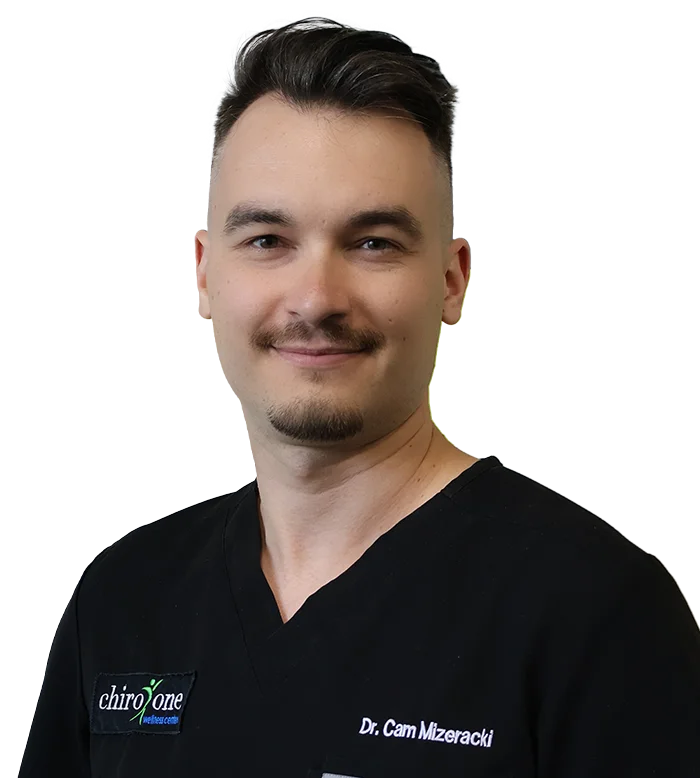
Dr. Cameron is a Doctor of Chiropractic who is passionate about helping patients feel their best and live healthier, more active lives. He earned his Bachelor of Science from the University of Manitoba and completed his chiropractic degree at Life Chiropractic College West. He focuses on creating a comfortable, welcoming space where patients feel supported throughout their care journey. Read More
Like What You See?
Subscribe and get news, articles & offers sent right to your inbox each month.