
Back-to-School Spinal Health Tips for Kids, Teens & College Students
Protect your student’s spine this school year with these simple tips from the chiropractors of Chiro One.

Screening for scoliosis is part of nearly every pediatric physical. Most of us can remember being screened as kids; because early intervention is so important, many public elementary schools provide their own screening. But do you know what scoliosis is? Or how it can impact your life (or your children’s health?)
In this post, we’ll explain what scoliosis is and explore holistic, non-surgical treatments that can help relieve pain, improve mobility, and prevent worsening curvature and its associated symptoms.
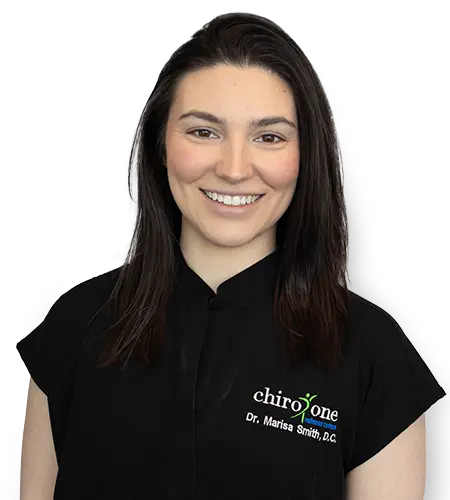
“Yes, a chiropractor can help manage scoliosis by improving spinal mobility, reducing muscle tension, and alleviating pain without surgery,” explains Dr. Marisa Smith of Chiro One in West Addison. “While chiropractic adjustments cannot cure or reverse the curvature of a scoliotic spine, they are highly effective at providing long-term symptom relief and supporting better posture.” 1
June is National Scoliosis Awareness Month. Each year during this month, healthcare professionals across the country focus on educating the public, promoting early detection, and increasing awareness around scoliosis and how it affects millions of people of all ages.
Scoliosis impacts an estimated 2–3% of the population, making it far more common than many people realize. Yet despite its prevalence, many individuals live with scoliosis for years without a clear diagnosis—or without fully understanding their treatment options. If you or a loved one has been diagnosed with scoliosis, it’s essential to be properly diagnosed, well-informed about the condition, and knowledgeable about your non-surgical scoliosis treatment options.
One question we hear often is: can a chiropractor help with scoliosis? While chiropractic care does not “cure” scoliosis, it can play a meaningful role in managing symptoms, improving posture, and supporting overall spinal health —without drugs or surgery.
But that’s just the beginning (did you know there are three different types of scoliosis?) Now that you’ve got the basics, let’s really get into it.
Scoliosis is a spinal condition characterized by an abnormal sideways curvature of the spine, typically forming an “S” or “C” shape when viewed from the back. The severity of scoliosis is measured in degrees and can range from mild to severe.
Scoliosis can affect people of all ages, and there are several recognized types:
Idiopathic scoliosis is most often diagnosed between the ages of 10 and 15, though adult diagnoses are increasingly common—especially cases of degenerative scoliosis, which develops later in life due to spinal wear and tear, arthritis, or disc degeneration.

Some physical indicators that may suggest scoliosis include:
Early detection is key, as proactive care can help slow progression and reduce long-term complications.
A common misconception is that chiropractic care claims to “fix” or straighten a scoliotic spine. In reality, chiropractors do not cure scoliosis, but they do focus on optimizing how the spine and surrounding structures function.
“I have a sincere desire to see every patient improve and feel better, even beyond my own direct treatment. To me, wellness means staying active, doing what you love, and supporting both physical and mental health through daily habits. Incorporating small moments of joy into everyday life is absolutely essential for long-term health and balance.” — Dr. Marisa Smith, Chiro One of West Addison
For many patients, chiropractic care is an excellent choice when the goal is symptom management and improved quality of life, in particular, providing relief from pain.
Chiropractic care for scoliosis may help by:
Through precise, controlled chiropractic adjustments and supportive therapies, patients may experience both short- and long-term relief from discomfort associated with scoliosis.
Chiropractic adjustments aim to restore as much balance and mobility to the spine as possible. While adjustments cannot reverse spinal curvature, they can reduce secondary issues caused by scoliosis—such as muscle strain, joint restriction, and uneven load distribution. 2
Patients with scoliosis often report symptoms including neck, shoulder, or low-back pain, headaches, fatigue or stiffness, and tingling or numbness in the arms or legs. By addressing misalignments and movement restrictions, chiropractic care may help reduce these symptoms over time. Learn more about what to expect at your first appointment here.
For many individuals—especially those with mild to moderate curves—scoliosis treatment without surgery is not only possible but preferred.
Many patients benefit from combining chiropractic care with:
A common question is: will physical therapy help scoliosis? Physical therapy can be highly beneficial, particularly when focused on strengthening, flexibility, and posture. 3 Chiropractic care and physical therapy are often complementary, addressing different aspects of musculoskeletal health. For adults with degenerative scoliosis, non-surgical care is often the first line of treatment, focusing on pain management, mobility, and functional improvement rather than curve correction.
Both chiropractors and osteopaths recognize the importance of spinal alignment and its effect on overall health. However, chiropractors are uniquely focused on the biomechanics of the spine and nervous system.
For patients seeking targeted, conservative spine-focused care, scoliosis chiropractic care often feels like the most natural fit. Find out more about how collaborative care can be integrated into your overall healthcare treatment.
No, chiropractic adjustments for scoliosis should not be painful. Chiropractors use specific, controlled techniques tailored to your body’s needs. You may feel mild soreness similar to post-workout fatigue as your muscles adapt to moving more efficiently, but the adjustments themselves are designed to relieve pain, not cause it.
Absolutely. While adolescent care often focuses on managing the curve during growth spurts, adult care (especially for degenerative scoliosis) focuses heavily on pain management, restoring mobility, and preventing further wear and tear on the joints and spinal discs.
Chiropractors do not typically prescribe braces as their primary treatment, though bracing is sometimes recommended by orthopedic specialists for growing adolescents with moderate curves. If you or your child are wearing a brace, a chiropractor can work alongside that treatment to help manage muscle tension and keep the spine mobile.
While chiropractic care cannot cure scoliosis, it can help you move better, feel better, and live more comfortably—without drugs or surgery. If you’re wondering how to fix scoliosis without surgery, the answer lies in personalized care—not a one-size-fits-all solution.
👉 Schedule an evaluation at a Chiro One near you to learn how our personalized care plans can help manage your scoliosis symptoms.
Subscribe and get news, articles & offers sent right to your inbox each month.
"*" indicates required fields
By subscribing you are agreeing to the Terms and Conditions and Privacy Policy.
Protect your student’s spine this school year with these simple tips from the chiropractors of Chiro One.

Pregnant and living with scoliosis? Chiropractic care and positioning tools like maternity pillows offer non-invasive back pain relief and support a healthy pregnancy journey.

Learn how chiropractic care offers a drug-free, non-invasive relief from the pain of scoliosis, and find out whether it can help with your scoliosis symptoms.